We constantly hear the question: How do you know when it’s time for assisted living? At Gurwin, our focus is on the positive—so the real question is, do you know how much there is to gain? As Long Island’s experts in senior healthcare, we see how much better older adults do when surrounded by opportunities to learn, socialize, exercise, and engage in life.
Assisted living isn’t simply a place to live—it’s a thriving environment where seniors maintain independence while enjoying meaningful activities and genuine community.
Jump Ahead
- Independence With Support
- Freedom From Daily Burdens
- Social Connection and Community
- Safety and Peace of Mind
- Wellness and Enrichment
- Frequently Asked Questions
Independence With Support
Here’s what assisted living really looks like: every resident has their own apartment where they do what they want, see whom they want, and come and go as they please. Think of it as apartment living—but we handle the housekeeping, cooking, gardening, and maintenance. Residents are free to focus on what makes them happy and healthy.
This balance is one of assisted living’s greatest benefits. Residents maintain independence in daily activities while receiving assistance when needed—whether it’s help with medication management, mobility, or personal care. This creates confidence and dignity while ensuring support is always close at hand.
Relief for Family Caregivers
According to research from the Family Caregiver Alliance, family caregivers spend an average of 24 hours per week providing care while often managing work and raising their own children. Assisted living alleviates this pressure while ensuring your loved one receives professional, consistent support.
By having trained staff on-site and available to help, assisted living ensures independence while relieving family members of sole caregiving responsibility—reducing stress for everyone.
Did You Know?
Family caregivers spend an average of 24 hours per week providing care, often while managing work and raising their own children. Assisted living provides professional support while preserving family relationships, allowing visits to focus on quality time rather than caregiving tasks.
Freedom From Daily Burdens
So what do residents do with all that free time? What would you do? No more worrying about yard work, snow removal, broken appliances, or cleaning. No more grocery shopping or meal planning unless you want to. This freedom opens up incredible possibilities to pursue activities and interests they truly enjoy.
We often find that older adults living alone struggle to maintain their homes and care for themselves the way they used to. In assisted living, these concerns disappear—freeing both residents and families from worry.
Social Connection and Community
Isolation is one of the greatest challenges for older adults. Research shows that social isolation among seniors can be as harmful to health as smoking 15 cigarettes a day, according to the CDC. Assisted living actively counteracts this by offering daily opportunities for connection.
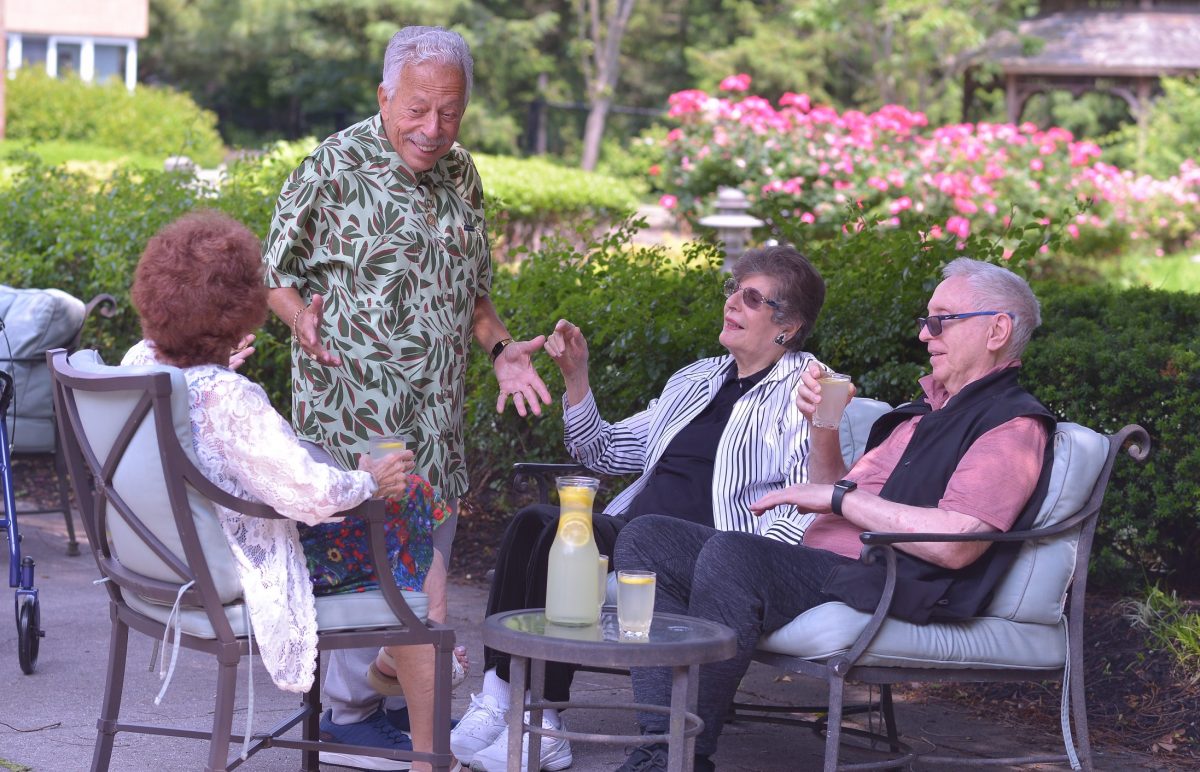
Communal living means there are always people around. Residents can be spontaneous without relying on family to make social activities happen. Group activities, shared dining, hobby clubs, and cultural outings help residents form friendships vital for emotional well-being and cognitive health.
What’s particularly valuable is that socialization happens organically throughout the day—conversations in the hallway, shared meals, impromptu card games, or simply enjoying coffee together. These informal interactions combat loneliness and create true community.
Safety and Peace of Mind
We hear people say they’d prefer their loved one live with family, but that often means expensive home renovations that still aren’t truly safe for someone with limited mobility. And even then, how many people are home during the day? Your loved one may be physically safe but still alone.
Assisted living communities are purpose-built for safety with secure entrances, accessible bathrooms, emergency call systems, well-lit pathways, and 24-hour staff presence. This comprehensive approach ensures residents feel secure and supported, giving families invaluable peace of mind.
Wellness and Enrichment
Assisted living emphasizes wellness through comprehensive programs that keep residents physically active, mentally sharp, and emotionally fulfilled.
Physical Fitness: Group classes, state-of-the-art gyms with personal trainers, gentle yoga, chair exercises, walking clubs, and strength training—typically all included in rent.
Mental Stimulation: Research shows that staying mentally and socially engaged helps maintain cognitive function as we age, according to the National Institute on Aging. Assisted living offers art workshops, gardening, music programs, educational lectures, and opportunities to pursue both old passions and new interests.
Purpose and Community: Many communities encourage residents to lead activities, volunteer, or share their skills—helping maintain a sense of purpose and fulfillment essential for well-being.
Nutritious Dining
Ever worry your loved one isn’t eating properly? With three meals daily prepared by professional chefs to accommodate dietary restrictions, that worry disappears. Dining becomes a social experience with fresh, healthy, delicious food—plus private dining rooms for family gatherings.
When family visits, you focus entirely on quality time rather than cooking and cleanup. Why not let someone else do the work?
Frequently Asked Questions About Assisted Living
What’s the difference between assisted living and independent living?
Independent living is for active seniors who don’t need daily assistance but want community living without home maintenance. Assisted living provides that same community plus personalized help with activities like bathing, dressing, and medication management. Many seniors transition from independent to assisted living as needs change, often within the same campus.
How much does assisted living cost?
Costs vary based on location, apartment size, and care level. Most communities charge a monthly fee covering housing, meals, activities, and housekeeping, with additional fees for personalized care. Many families find that when totaling home maintenance, utilities, groceries, transportation, and in-home care costs, assisted living is comparable or even more economical—while providing a richer lifestyle.
Can residents bring their own furniture?
Yes! Residents personalize apartments with their own furniture, photos, and belongings. Making the space feel like home is important for the transition. Most communities provide floor plans in advance to help families plan.
What if care needs increase?
Quality communities continuously assess needs and adjust care plans. If needs increase significantly, many offer memory care or skilled nursing on the same campus, allowing residents to stay in a familiar environment with familiar staff. This continuum of care provides security and continuity.
How do I know if my loved one will adjust?
Most residents adapt more quickly than families expect—especially once they experience the benefits of community life. Many report relief from home maintenance burdens and excitement about new friendships. Staff help new residents transition smoothly, and most communities offer trial stays to help families make informed decisions.
Experience the Difference
At Gurwin, we’ve seen how assisted living transforms lives—not just for residents, but for entire families. When your loved one thrives in a supportive community, family time becomes about connection and joy rather than worry and caregiving tasks. Ready to learn more? Contact us or call 631-715-8537 to schedule a tour.
Explore Gurwin’s continuum of care
Assisted Living | Independent Living | Memory Care | Skilled Nursing | Home Care