As adult children, it’s natural to view our aging parents through rose-colored glasses. After all, they are the wise, strong individuals who nurtured us, then became our friends and confidants as we grew. Often, we see what our heart wants us to see, but as our loved ones age, it’s important to look through a more objective lens to evaluate whether they’re safe, healthy, and thriving in their current living environment.
Can Mom manage the demands of the family home? Is Dad lonely? Are the activities of daily living becoming too overwhelming? When these questions begin to surface, it may be time to explore supportive senior living options that could enhance your parent’s independence and quality of life.
Sometimes the signs that a parent could benefit from assisted living are obvious: chronic health conditions, repeated falls, or significant memory loss. But other times, the indicators are more subtle. Noticing these less obvious cues isn’t always about focusing on what’s going wrong; it’s about recognizing what could be better: enhancing their lifestyle, boosting their independence, and opening doors to new experiences.
Below are the key signs that the time might be right to talk about assisted living.
They Could Use a Hand with Health Routines
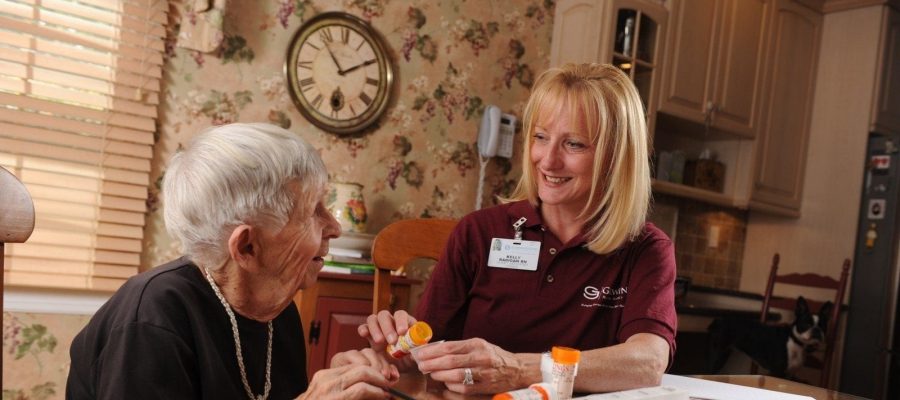
Is Dad occasionally missing a medication dose, forgetting a prescription refill, or taking medications inappropriately? These lapses can have serious health consequences, from unmanaged chronic conditions to dangerous drug interactions.
A little extra support with medication management can ease his mind (and yours!) and keep him feeling his best. In an assisted living community, trained staff members help ensure health needs are met consistently, so he can focus on the things he enjoys most rather than worrying about complex medication schedules.
Mealtime Isn’t What It Used to Be
Has Mom lost interest in cooking, or is she skipping meals now and then? Is she no longer shopping regularly or purging expired items from the fridge? Is she complaining of no appetite or saying she doesn’t want to eat alone? These changes could signal that she’s ready to enjoy chef-prepared meals that are delicious, nutritious, and social.
Weight loss, poor nutrition, and social isolation around mealtimes are common concerns for older adults living alone. Dining with new friends in an assisted living community can turn a routine meal into a highlight of the day: a socialization opportunity that promotes both physical and emotional wellbeing.
Steady Steps Turn Wobbly
Changes in muscle strength, vision, and coordination can make a loved one unsteady on their feet. Medications, chronic conditions like arthritis or diabetes, and home environments that aren’t designed for older adults can all increase the risk of falls, one of the leading causes of injury among seniors.
Assisted living communities offer safe, accessible living spaces free from hazards like stairs, slippery floors, and poor lighting. Vibrant physical activity programs support balance and strength, while staff assistance is available whenever needed. Many residents feel more energetic, more connected, and even more independent knowing they have the right kind of help around them.
Daily Tasks Feel More Tiring
From laundry and cleaning to dressing and grooming, everyday activities of daily living can start to feel exhausting with age. If Dad seems less motivated to take care of these details (if he’s showering less regularly, wearing the same clothes, or letting housework pile up) it’s not necessarily a loss of independence. It might be a gain to have those burdensome tasks taken off his plate.
Assisted living communities handle housekeeping, laundry, and home maintenance, freeing residents to spend their energy on activities they enjoy. Personal care assistance is available for bathing, dressing, and grooming as needed, promoting dignity while providing necessary support.
Bills and Paperwork Are Piling Up
Are checks bouncing? Is Mom making multiple payments on the same bill or missing payment deadlines? If your parent seems overwhelmed by finances and day-to-day logistics, they may welcome the freedom of simplified living.
As an assisted living community member, they’ll benefit from support with these administrative burdens, providing more time and energy to spend on what brings them joy—whether that’s hobbies, friendships, or simply enjoying peace of mind.
Social Life Has Slowed Down
Has your parent mentioned feeling lonely or less interested in activities they once loved? Are they isolated, not seeing friends, and less active than they used to be? Do they complain of being too tired to do things?
This could be a wonderful time to introduce them to a community full of peers, engaging programs, and meaningful connections. Many residents in assisted living communities find that their social life blossoms in ways they never expected, from art classes and fitness programs to shared meals, entertainment, and new friendships.
The Bright Side of a Big Change
While these are certainly not the only red flags, a noticeable change in routine, ability, or attitude may signal it’s time for a conversation about a new living arrangement. And here’s the good news: choosing assisted living can feel like a big step, but for many families, it’s a step forward.
Long Island assisted living communities offer vibrant, maintenance-free lifestyles that are full of comfort, convenience, and care. They promote independence while providing just the right amount of support, a balance that allows older adults to thrive rather than simply get by.
Benefits of Assisted Living
- Enhanced Safety: Accessible living spaces, emergency response systems, and 24/7 staff support
- Better Nutrition: Chef-prepared meals with accommodations for dietary needs and preferences
- Social Connection: Built-in community with activities, events, and opportunities to form new friendships
- Reduced Stress: Freedom from home maintenance, yard work, cooking, and cleaning
- Peace of Mind: Professional care available when needed, from medication management to personal assistance
- Personalized Support: Care plans tailored to individual needs and preferences
- Active Lifestyle: Fitness programs, recreational activities, educational opportunities, and cultural events
From art classes and fitness programs to shared meals and new friendships, residents often describe this next chapter as enriching and fun. For families, it brings peace of mind knowing that loved ones are safe, happy, and living life to the fullest.
Starting the Conversation
Talking with your parent about assisted living can feel emotionally challenging but approaching it with empathy and positivity can make all the difference. Here are some tips:
- Focus on benefits, not losses: Frame the conversation around what they’ll gain (community, support, freedom from chores) rather than what they’re giving up
- Involve them in decisions: Visit communities together, encourage questions, and respect their input and preferences
- Share your concerns with compassion: Use “I” statements like “I worry about you being alone” rather than “You can’t manage anymore”
- Emphasize independence: Highlight how assisted living promotes independence by removing burdens and providing support only when needed
- Be patient: This is a major life transition that may take time to process and accept
Experience the Difference at Gurwin Assisted Living
At Gurwin, we understand that choosing assisted living is about more than finding a safe place to live. It’s about creating opportunities for your loved one to flourish. Our community offers vibrant lifestyle options, comprehensive care when needed, and the warmth of a family-oriented environment where residents are treated with dignity and respect.
Our residents enjoy freedom from the burdens of home maintenance while receiving extra personal care when they need it. For many, becoming part of our assisted living community opens doors to new experiences and new friendships, the beginning of a new and exciting chapter.
So, if you’re starting to notice these signs, take heart. Your parent may not be losing anything. This might be the perfect time for them to gain a community, a lifestyle upgrade, and a whole new world of possibilities.